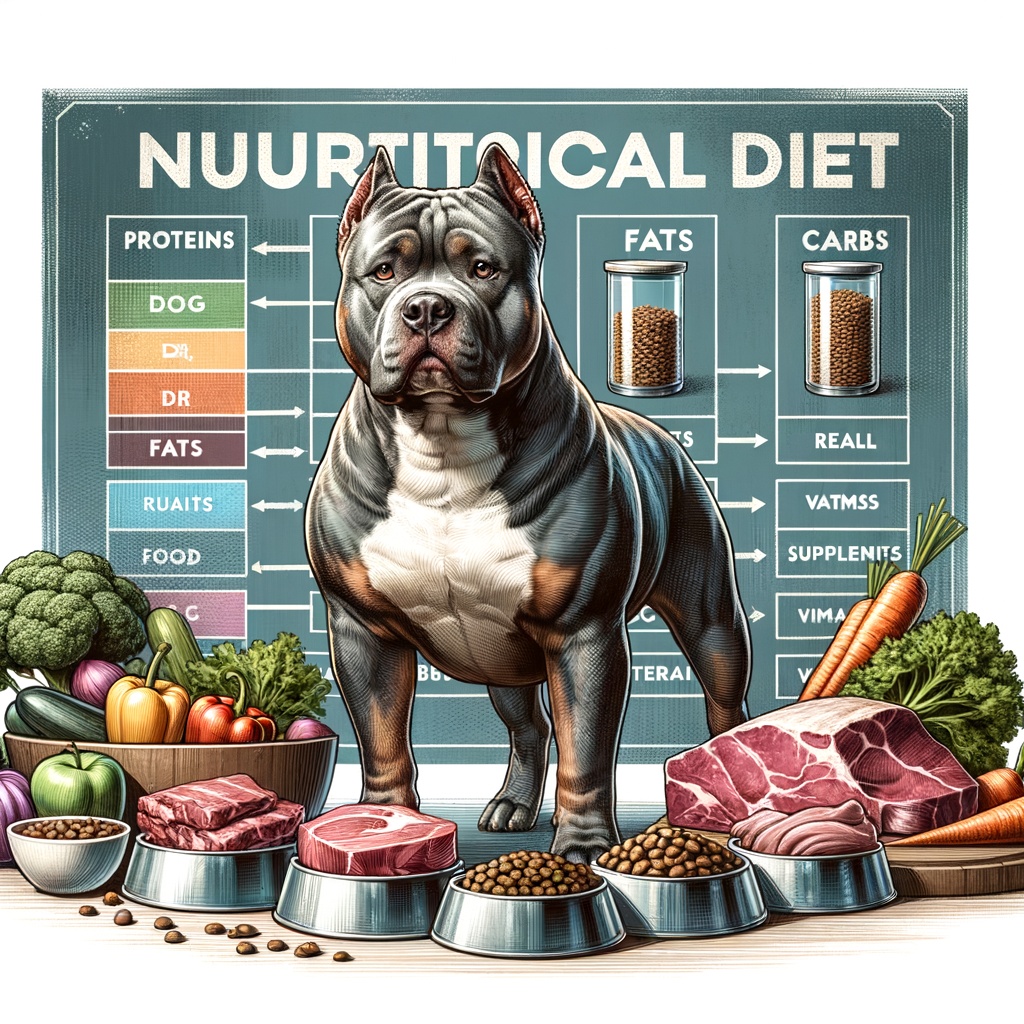
Proper nutrition plays a critical role in the health, structure, and long-term wellbeing of the American Bully. Because this breed is muscular, compact, and often prone to weight-related stress if overfed, a balanced, intentional diet is essential at every life stage.
This guide explains the nutritional needs of the American Bully, how to build a balanced diet, and how feeding choices influence growth, energy, and overall health.
Why Nutrition Matters for the American Bully
The American Bully’s physique places unique demands on its body. Strong muscle mass, thick bone, and a compact frame require adequate nutrition without excess.
A well-balanced diet supports:
Lean muscle development
Joint and bone health
Skin and coat condition
Digestive stability
Energy balance and behavior
Poor nutrition, on the other hand, can contribute to obesity, joint strain, skin issues, and reduced stamina.
To understand how nutrition fits into the breed’s overall needs, it’s helpful to first understand the breed itself:
👉 https://www.americanbullybreed.com/understanding-the-american-bully-breed-characteristics-and-temperament
Core Nutritional Requirements
Protein: The Foundation
Protein supports muscle maintenance and tissue repair. American Bullies generally do well on diets with moderate to high-quality protein, sourced from identifiable meats.
Look for:
Named animal proteins (chicken, beef, fish, lamb)
Balanced amino acid profiles
Excessive protein alone does not equal better results—quality and balance matter more than quantity.
Fats: Energy and Skin Health
Healthy fats provide energy and support coat and skin condition.
Key fat sources include:
Fish oil
Chicken fat
Flaxseed
Omega-3 and Omega-6 fatty acids help reduce inflammation and support joint health.
Carbohydrates: Fuel, Not Fillers
Carbohydrates supply energy but should be digestible and well-sourced.
Better carb sources:
Brown rice
Sweet potatoes
Oats
Avoid diets overloaded with low-quality fillers, which may contribute to digestive upset and unnecessary weight gain.
Vitamins and Minerals
Balanced micronutrients are essential for:
Bone density
Immune function
Metabolic health
Calcium and phosphorus ratios are particularly important during growth stages to support proper skeletal development.
For more on developmental needs, see:
👉 https://www.americanbullybreed.com/american-bully-growth-stages-from-puppy-to-adult
Feeding American Bully Puppies
Puppy nutrition sets the foundation for lifelong health.
Key principles:
Use age-appropriate formulas
Avoid overfeeding to prevent rapid growth
Feed multiple smaller meals per day
Controlled growth helps reduce stress on developing joints and bones.
Training routines and activity levels should also be considered alongside feeding plans:
👉 https://www.americanbullybreed.com/american-bully-training-tips-building-a-strong-bond-with-your-bully
Adult American Bully Diet Considerations
Adult Bullies benefit from consistency and moderation.
Focus on:
Maintaining lean body condition
Adjusting portions based on activity level
Monitoring weight regularly
Overfeeding is a common issue in muscular breeds and can quietly impact joint health and mobility over time.
Exercise and diet should work together:
👉 https://www.americanbullybreed.com/best-exercise-routines-for-american-bully-dogs-keeping-them-fit-and-active
Raw Diets vs Commercial Diets
Many owners explore raw feeding or home-prepared meals. While these diets can work for some households, they require careful planning.
Important considerations:
Nutritional balance must be precise
Food safety and handling matter
Supplements may be necessary
Commercial diets formulated by reputable manufacturers often provide a safer baseline for consistency, especially for first-time owners.
There is no single “best” diet—the best diet is one that is balanced, digestible, and sustainable for the owner.
Hydration and Digestive Health
Fresh water should always be available. Proper hydration supports digestion, temperature regulation, and joint health.
Digestive stability can be supported by:
Consistent feeding schedules
Avoiding frequent food changes
Monitoring stool quality
Sudden diet changes should be introduced gradually over 7–10 days.
Weight Management and Body Condition
American Bullies should be assessed by body condition, not scale weight alone.
Signs of healthy condition:
Visible waist from above
Ribs felt but not prominently seen
Easy, fluid movement
Excess weight can place unnecessary strain on joints and reduce overall vitality.
Ethical Breeding and Nutrition
Responsible breeding programs emphasize nutrition as part of early development. Puppies raised with balanced diets and structured feeding routines often transition more smoothly into new homes.
Educational references to responsible American Bully breeding programs help reinforce how nutrition, structure, and temperament work together:
👉 https://www.capcitybullys.com
(Referenced for educational purposes only.)
Common Nutrition Mistakes to Avoid
Overfeeding due to appearance goals
Excessive supplements without guidance
Frequent diet switching
Feeding table scraps regularly
Consistency and moderation are key.
Final Thoughts
Meeting the nutritional needs of the American Bully is about balance—not extremes. A thoughtful diet supports healthy growth, stable energy, and long-term wellbeing.
By understanding how nutrition fits into the breed’s structure, activity level, and life stage, owners can make informed decisions that benefit their Bully for years to come.

Looking for an American Bully Puppy?
The American Bully Puppy Resource Center is designed to help you prepare for life with your new puppy. When you’re ready to begin your search, Bully Puppy Market connects buyers with American Bully puppies from verified breeders across the United States.
Browse available puppies by Bully type, location, sex, and price, compare breeder profiles, and find the right puppy for your family.
→ Find American Bully Puppies on Bully Puppy Market
📘 Continue Learning About the American Bully Breed
Explore trusted, in-depth guides covering temperament, training, care, and responsible ownership of the American Bully:
🔴 American Bully Breed (ABB)
→ What Is an American Bully?
→ American Bully Temperament & Personality
→ American Bully Training Fundamentals
→ Socializing Your American Bully Puppy
→ Preparing for an American Bully in Your Home
→ American Bully Health & Care Guide
→ Ethical American Bully Breeding Practices
🟦 The American Bully Breed (TABB)
For expanded breed education, standards, and long-form guides:
→ The History of the American Bully
→ American Bully Breed Standards & Structure
→ Grooming Essentials for American Bullies
→ Seasonal Care for American Bullies (Winter & Summer)
🟩 The Complete Dog Guide (TCDG)
For broader dog ownership principles that apply across all breeds:
→ Understanding Responsible Dog Breeding
→ Choosing the Right Dog for Your Lifestyle
→ Exercise Needs by Dog Size and Breed Type
→ Puppy Preparation Checklist for First-Time Owners