Training is one of the most important responsibilities of American Bully ownership. While the breed is known for its confidence, loyalty, and affectionate nature, proper training is what transforms those natural traits into a calm, reliable, and well-mannered companion.
This guide covers American Bully training fundamentals from puppyhood through adulthood, focusing on structure, communication, consistency, and emotional stability. Whether you are preparing for your first Bully or refining training with an adult dog, understanding these foundations helps set both dog and owner up for long-term success.
For a deeper understanding of behavioral traits, read the American Bully Temperament & Personality Guide:
👉 https://www.americanbullybreed.com/american-bully-temperament-and-personality
Understanding the American Bully Mindset
Before discussing specific techniques, it’s important to understand how American Bullies learn and respond to training.
American Bullies are generally:
- People-focused and socially motivated
- Intelligent and capable of learning quickly
- Emotionally sensitive to tone and consistency
- Confident when structure is clear
They respond best to calm leadership, clear expectations, and positive reinforcement. Harsh methods, inconsistent rules, or emotionally charged corrections often create confusion rather than progress.
Training is not about control — it is about communication.
Training Foundations Begin Before Commands
Many training issues stem from skipped fundamentals rather than a lack of obedience skills.
Foundational elements include:
- Predictable daily routines
- Clear boundaries within the home
- Consistent responses from all household members
- Calm, confident handling
Before teaching sit or stay, a Bully must first understand how to exist calmly within their environment.
This principle is explored in detail in Preparing for an American Bully in Your Home:
👉 https://www.theamericanbullybreed.com/preparing-for-an-american-bully-in-your-home
Puppy Training Fundamentals (8–16 Weeks)
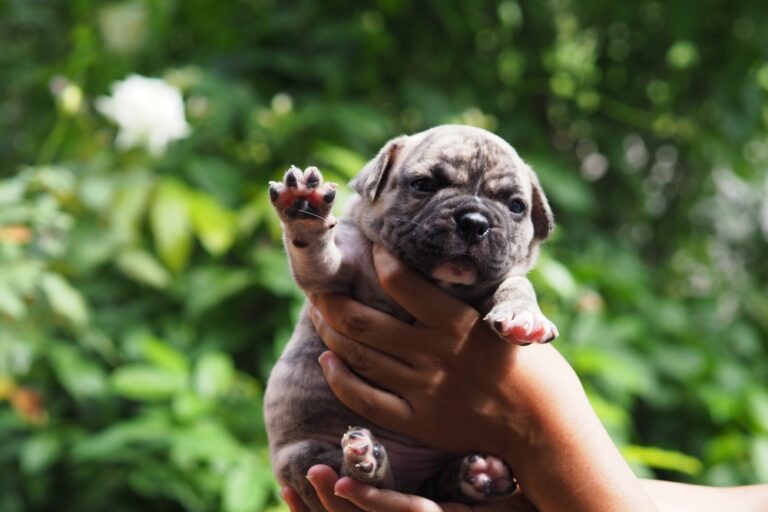
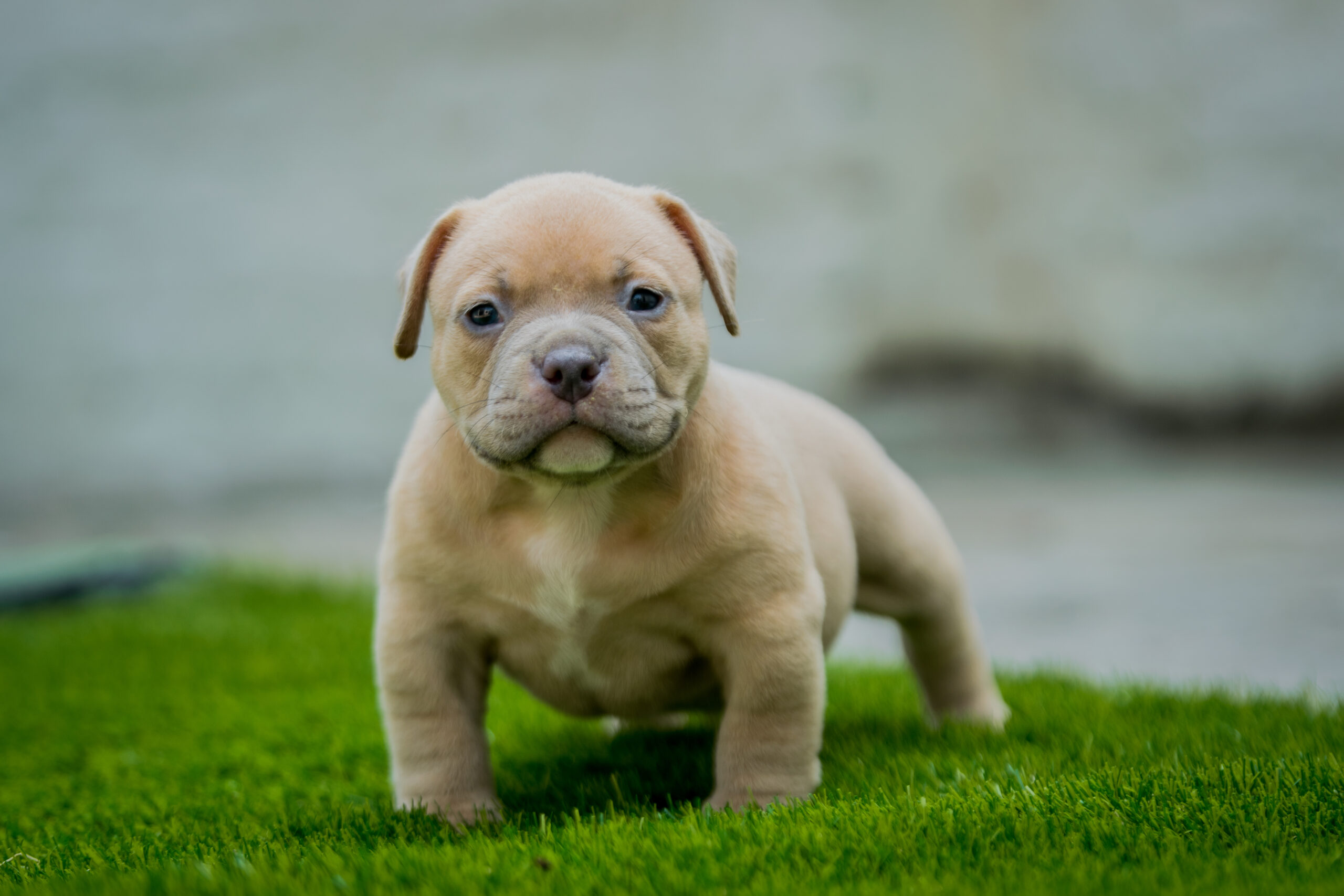
The puppy stage is about exposure, confidence, and habit-building, not perfection.
Key Training Goals at This Stage
- Name recognition
- Potty routine establishment
- Gentle handling tolerance
- Basic leash exposure
- Positive human interaction
Short, frequent sessions (5–10 minutes) are far more effective than long drills.
Socialization Is Training
Socialization is not about overwhelming a puppy — it’s about controlled, positive exposure.
Focus on:
- Different surfaces and environments
- Calm adult dogs
- Gentle people of different ages
- Everyday household sounds
Early socialization plays a major role in long-term temperament stability, as outlined in the American Bully Temperament & Personality Guide:
👉 https://www.americanbullybreed.com/american-bully-temperament-and-personality
Basic Obedience Training (4–6 Months)
As confidence grows, puppies are ready for structured obedience work.
Core Commands to Introduce
- Sit
- Down
- Come
- Place
- Leash walking basics
Training should emphasize:
- Calm responses before excitement
- Rewarding focus and engagement
- Ending sessions on success
Consistency matters more than complexity at this stage.
Adolescence: The Most Misunderstood Phase (6–18 Months)
Adolescence is when many owners mistakenly believe their dog is “regressing.”
In reality, this stage includes:
- Increased confidence testing
- Temporary selective listening
- Heightened curiosity and independence
This phase requires more structure, not harsher corrections.
How to Train Through Adolescence
- Reinforce routines
- Increase mental stimulation
- Maintain clear boundaries
- Avoid emotional reactions
Many behavioral issues blamed on temperament actually result from inconsistent training during adolescence.
Adult Training: Refinement, Not Reinvention
Adult American Bullies are capable of learning at any age. Training at this stage focuses on refinement and reliability.
Adult Training Goals
- Calm behavior in public spaces
- Reliable recall
- Leash manners under distraction
- Emotional regulation
Adult dogs thrive when training becomes part of daily life rather than a separate task.
This stage pairs naturally with the American Bully Health & Care Guide:
👉 https://www.americanbullybreed.com/american-bully-health-and-care-guide
The Role of Exercise in Training Success
Training and exercise are inseparable.
Without appropriate physical outlets, even well-trained dogs may struggle with:
- Restlessness
- Overexcitement
- Destructive behaviors
Exercise needs vary by size and structure, which is explained in American Bully Exercise Needs by Size Class:
👉 https://www.americanbullybreed.com/american-bully-size-classes-explained
Mental exercise — such as structured walks, problem-solving games, and obedience work — is equally important.
Positive Reinforcement vs. Force-Based Methods
American Bullies respond best to:
- Food rewards
- Praise and calm affirmation
- Consistent consequences
Force-based or dominance-focused methods often damage trust and can suppress behavior without resolving underlying causes.
Training should build:
- Confidence
- Predictability
- Emotional stability
Not fear.
Training and Temperament Are Connected
Training does not override genetics — it works with them.
Well-bred American Bullies are more likely to display:
- Stable responses to stress
- Better adaptability
- Predictable learning patterns
This is why ethical breeding and training go hand in hand, as explained in Ethical American Bully Breeding Practices:
👉 https://www.americanbullybreed.com/ethical-american-bully-breeding-practices
Common Training Mistakes to Avoid
Even well-intentioned owners make mistakes that slow progress.
Common Pitfalls
- Inconsistent rules
- Overtraining puppies
- Reacting emotionally to mistakes
- Skipping foundational structure
Training success depends on clarity, not intensity.
Training for Real Life, Not Perfection
The goal of training is not a flawless dog — it is a reliable, calm companion.
A well-trained American Bully should:
- Respond calmly to guidance
- Understand household expectations
- Adapt to new environments
- Remain emotionally balanced
These outcomes come from patience, structure, and long-term consistency.
Final Thoughts
American Bully training is a long-term partnership, not a checklist. From puppyhood through adulthood, success depends on structure, communication, and understanding the breed’s emotional and behavioral needs.
When training is approached with patience and clarity, American Bullies grow into confident, stable, and deeply loyal companions.
Education is the foundation of responsible ownership — and training is one of the most important investments you can make in your dog’s future.

Looking for an American Bully Puppy?
The American Bully Puppy Resource Center is designed to help you prepare for life with your new puppy. When you’re ready to begin your search, Bully Puppy Market connects buyers with American Bully puppies from verified breeders across the United States.
Browse available puppies by Bully type, location, sex, and price, compare breeder profiles, and find the right puppy for your family.
→ Find American Bully Puppies on Bully Puppy Market
📘 Continue Learning About the American Bully Breed
Explore trusted, in-depth guides covering temperament, training, care, and responsible ownership of the American Bully:
🔴 American Bully Breed (ABB)
→ What Is an American Bully?
→ American Bully Temperament & Personality
→ American Bully Training Fundamentals
→ Socializing Your American Bully Puppy
→ Preparing for an American Bully in Your Home
→ American Bully Health & Care Guide
→ Ethical American Bully Breeding Practices
🟦 The American Bully Breed (TABB)
For expanded breed education, standards, and long-form guides:
→ The History of the American Bully
→ American Bully Breed Standards & Structure
→ Grooming Essentials for American Bullies
→ Seasonal Care for American Bullies (Winter & Summer)
🟩 The Complete Dog Guide (TCDG)
For broader dog ownership principles that apply across all breeds:
→ Understanding Responsible Dog Breeding
→ Choosing the Right Dog for Your Lifestyle
→ Exercise Needs by Dog Size and Breed Type
→ Puppy Preparation Checklist for First-Time Owners