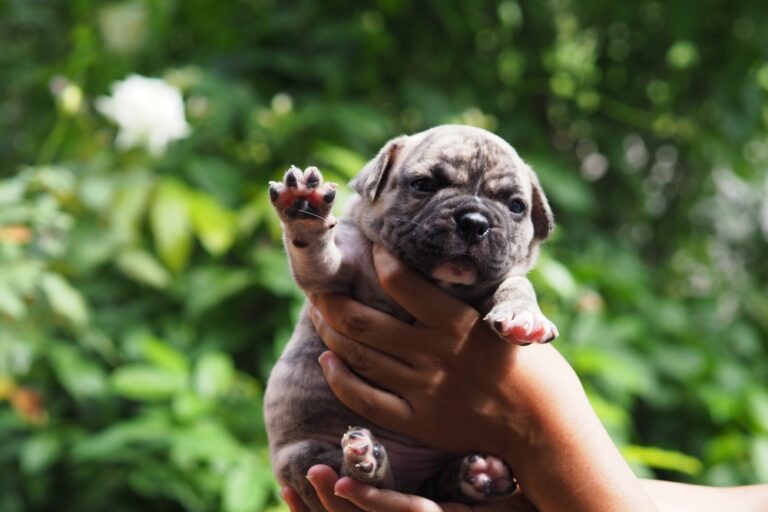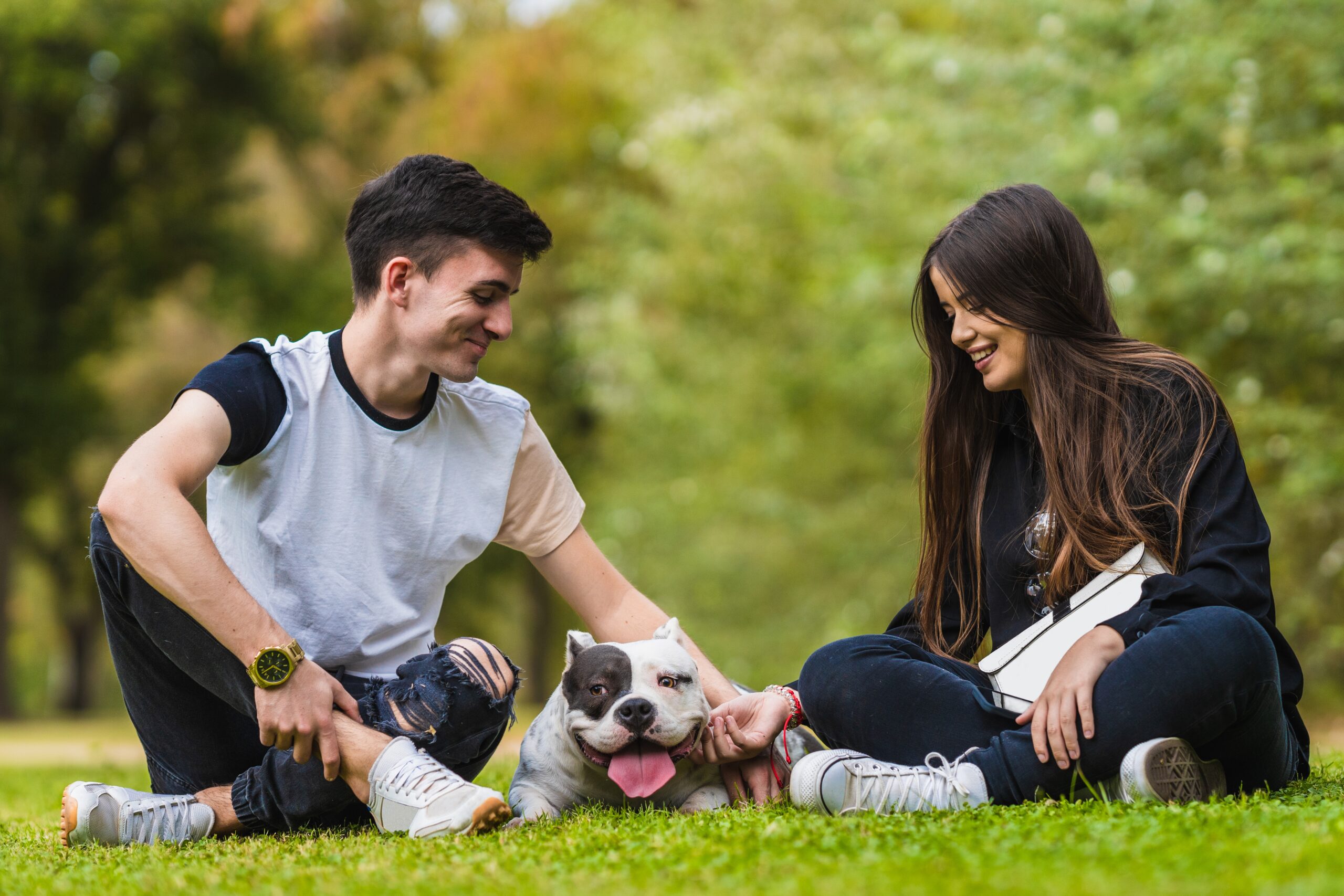
American Bully puppies develop confidence, stability, and social balance through early experiences. While structure and pedigree shape physical potential, socialization shapes temperament—how a puppy responds to people, other animals, new environments, and everyday stressors.
Socialization is not a single event or checklist. It is a gradual learning process that begins in the earliest weeks of life and continues through puppyhood. During this time, puppies form emotional associations that influence how they interpret the world as adults. Positive, controlled exposure teaches a puppy that new situations are safe and manageable. Inconsistent or absent exposure can leave lasting gaps in confidence.
For American Bullies, early social experiences are especially important. As a breed with a naturally alert and people-focused disposition, Bullies benefit from learning how to remain calm, curious, and neutral in unfamiliar situations. Without guidance, natural awareness can turn into uncertainty. With proper exposure, it becomes confidence.
Play is one of the primary ways puppies learn during this developmental stage. Through play, puppies practice communication, impulse control, and emotional regulation. Interactions with littermates teach bite inhibition and social boundaries, while gentle human interaction builds trust and emotional security. These lessons cannot be replaced later through obedience training alone—they must be learned early, when the brain is most adaptable.
Early exposure also helps American Bully puppies develop resilience. Puppies who experience a variety of sounds, surfaces, people, and environments in a positive way are better equipped to handle change as adults. This resilience supports long-term behavioral stability, making the dog easier to live with, train, and integrate into family life.
Understanding why early play and exposure matter allows owners to approach socialization with intention rather than guesswork. When done correctly, socialization does not create overexcitement or forced friendliness—it creates balance.
That balance is the foundation of a confident American Bully.
How Puppies Learn Through Play
Play is one of the most important learning tools in a young American Bully’s development. During puppyhood, play teaches communication, impulse control, and emotional regulation in ways formal training cannot replicate.
When American Bully puppies engage in healthy play, they learn:
- Bite inhibition – understanding pressure limits through feedback from littermates
- Body language cues – recognizing when play is welcome, paused, or overstimulating
- Social boundaries – learning to disengage appropriately
- Confidence through interaction – developing comfort with movement, noise, and unpredictability
This early learning directly influences adult temperament. Puppies that are allowed to play in structured, positive environments tend to mature into dogs that are socially confident rather than reactive.
For a broader foundation on temperament development, see:
👉 American Bully Temperament & Personality
The Role of Environment in Social Development
American Bully puppies benefit from exposure to a variety of environments during early development. Safe, gradual exposure helps prevent fear responses later in life.
Key environmental experiences include:
- Walking on different surfaces (grass, flooring, pavement)
- Exposure to normal household sounds
- Calm interaction with new people
- Visual exposure to unfamiliar movement
The goal is familiarity without overwhelm. Puppies should never be forced into situations that create panic or prolonged stress.
Owners preparing for a new puppy can learn how to structure early environments here:
👉 Preparing for an American Bully in Your Home
Puppy Play vs. Overstimulation
Not all play is equal. While play is essential, overstimulation can lead to poor impulse control if left unchecked.
Healthy play looks like:
- Frequent pauses
- Role reversals (chasing alternates)
- Loose, bouncy movement
- Willing disengagement
Unhealthy play may include:
- Relentless chasing without pauses
- Stiff body posture
- Excessive vocalization
- Ignoring disengagement cues
Responsible owners and breeders monitor play closely and step in when necessary—not to punish, but to reset energy levels.
This balance supports emotional stability as puppies mature.
Socialization Beyond Other Dogs
While puppy-to-puppy play is critical, American Bullies must also learn how to interact appropriately with people.
Early people socialization should include:
- Gentle handling
- Calm greetings
- Exposure to different ages and appearances
- Positive reinforcement for relaxed behavior
This builds trust and prevents fear-based responses as the dog grows.
For guidance on early training foundations that support social behavior, explore:
👉 American Bully Training Fundamentals
How Early Socialization Shapes Adult Behavior
The experiences American Bully puppies have during early development influence adult behavior more than genetics alone.
Well-socialized puppies are more likely to grow into adults who are:
- Emotionally stable
- Adaptable to new environments
- Calm around unfamiliar people and dogs
- Confident without being reactive
Poor or absent socialization increases the likelihood of fear-based behaviors later in life.
This is why responsible breeding programs prioritize early handling and structured exposure.
To understand how ethical breeding supports temperament, read:
👉 Ethical American Bully Breeding Practices
Owner Responsibility After Puppyhood
Socialization does not end once puppyhood passes. Adult dogs still benefit from continued exposure and positive reinforcement.
Ongoing social habits include:
- Regular walks in varied environments
- Controlled introductions to new people or dogs
- Reinforcing calm behavior in public settings
Consistency ensures that early lessons remain strong throughout adulthood.
Final Thoughts
American Bully puppy socialization is not about creating extroverted dogs—it’s about creating balanced, confident companions. Early play, exposure, and calm guidance lay the foundation for stable adult behavior.
When socialization is approached intentionally, American Bullies grow into dogs that reflect the best of the breed: confident, people-focused, and emotionally sound.
Education, structure, and patience make all the difference.

Looking for an American Bully Puppy?
The American Bully Puppy Resource Center is designed to help you prepare for life with your new puppy. When you’re ready to begin your search, Bully Puppy Market connects buyers with American Bully puppies from verified breeders across the United States.
Browse available puppies by Bully type, location, sex, and price, compare breeder profiles, and find the right puppy for your family.
→ Find American Bully Puppies on Bully Puppy Market
📘 Continue Learning About the American Bully Breed
Explore trusted, in-depth guides covering temperament, training, care, and responsible ownership of the American Bully:
🔴 American Bully Breed (ABB)
→ What Is an American Bully?
→ American Bully Temperament & Personality
→ American Bully Training Fundamentals
→ Socializing Your American Bully Puppy
→ Preparing for an American Bully in Your Home
→ American Bully Health & Care Guide
→ Ethical American Bully Breeding Practices
🟦 The American Bully Breed (TABB)
For expanded breed education, standards, and long-form guides:
→ The History of the American Bully
→ American Bully Breed Standards & Structure
→ Grooming Essentials for American Bullies
→ Seasonal Care for American Bullies (Winter & Summer)
🟩 The Complete Dog Guide (TCDG)
For broader dog ownership principles that apply across all breeds:
→ Understanding Responsible Dog Breeding
→ Choosing the Right Dog for Your Lifestyle
→ Exercise Needs by Dog Size and Breed Type
→ Puppy Preparation Checklist for First-Time Owners