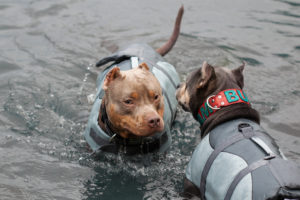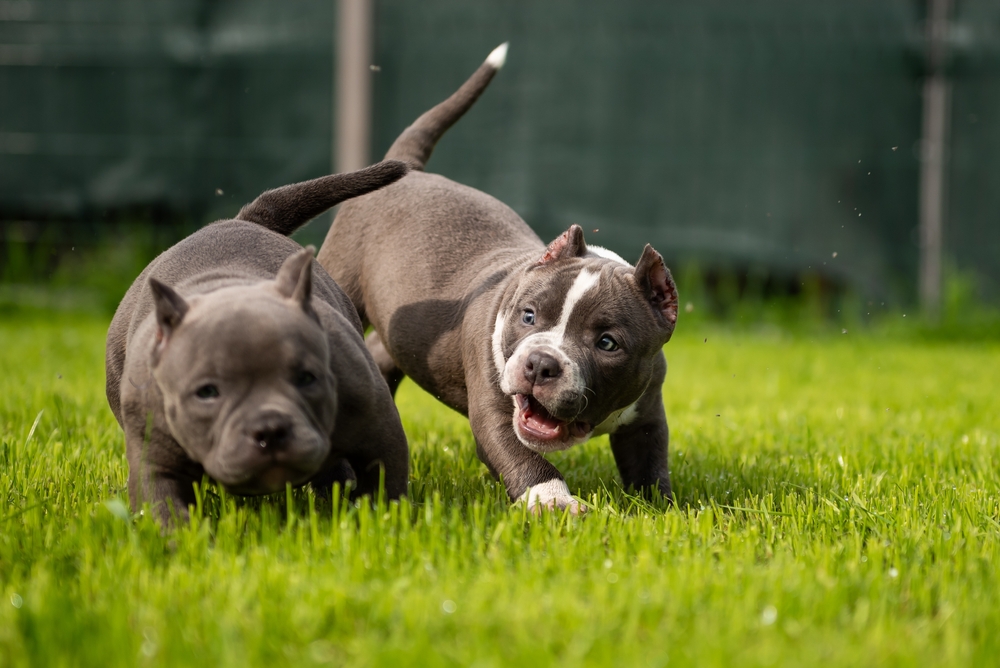
The American Bully is a powerful, confident, and people-oriented breed—but those traits only thrive when paired with appropriate physical exercise and mental enrichment. While American Bullies are not hyperactive by nature, they are not sedentary dogs either. Without proper outlets, even the most stable Bully can develop frustration, anxiety, or undesirable behaviors.
Understanding how much exercise an American Bully needs—and what type—is essential for responsible ownership. This guide explains the breed’s activity requirements, how to balance physical and mental stimulation, and how enrichment supports long-term temperament stability.
Understanding the American Bully’s Energy Profile
American Bullies are often misunderstood as either:
- Extremely high-energy dogs, or
- Dogs that require very little activity
In reality, they fall in the moderate energy category.
They are:
- Physically strong but not endurance athletes
- Mentally alert and responsive
- Calm when needs are met
- Prone to restlessness if under-stimulated
Exercise for this breed is about consistency and structure, not intensity.
For insight into how genetics and upbringing shape energy and behavior, see:
👉 American Bully Temperament & Personality
Daily Exercise Requirements
Most healthy adult American Bullies benefit from:
- 30–60 minutes of daily activity, split into multiple sessions
- Low-impact, controlled movement
- Opportunities to engage mentally, not just physically
Puppies, adolescents, and seniors require different levels of activity, with joint health and development always taken into account.
Recommended Physical Activities for American Bullies
Structured Walks
Daily leash walks provide:
- Physical movement
- Mental stimulation
- Exposure to environments and sounds
Walks should emphasize calm engagement, not pulling or overexertion.
Free Play (Controlled)
Short sessions of supervised play help release energy without overstimulation. Avoid chaotic environments until the dog is properly socialized and trained.
Strength-Appropriate Activities
American Bullies benefit from:
- Tug games (with rules)
- Short fetch sessions
- Balance and body-awareness exercises
Avoid repetitive jumping, long-distance running, or excessive stair use—especially in young dogs.
The Importance of Mental Enrichment
Mental stimulation is just as important as physical exercise for this breed.
Effective enrichment includes:
- Puzzle toys
- Food-based enrichment (snuffle mats, slow feeders)
- Short training sessions
- Problem-solving games
Mental enrichment:
- Reduces boredom-based behaviors
- Improves focus and obedience
- Supports emotional stability
This concept is reinforced in:
👉 American Bully Training Fundamentals
Exercise Across Life Stages
Puppies
- Short, frequent activity sessions
- No forced exercise
- Emphasis on exploration and confidence
Adolescents
- Increased structure
- Training combined with exercise
- Clear boundaries to prevent overexcitement
Adults
- Consistent daily routines
- Balanced physical + mental engagement
Seniors
- Gentle movement
- Joint-friendly activity
- Increased mental enrichment
Common Mistakes Owners Make
- Over-exercising young puppies
- Using only physical activity without mental stimulation
- Inconsistent routines
- Mistaking destructive behavior for “bad temperament”
In many cases, behavior issues are linked to unmet enrichment needs rather than temperament flaws.
Exercise, Enrichment, and Temperament Stability
A properly exercised American Bully is:
- Calmer
- More responsive
- Less reactive
- More emotionally balanced
Exercise does not create aggression—it releases tension and builds confidence when done correctly.
For a foundational understanding of behavioral development, see:
👉 Socializing Your American Bully Puppy
Creating a Sustainable Routine
The best routines are:
- Predictable
- Adjustable
- Age-appropriate
- Matched to the individual dog
Consistency matters more than intensity.
Final Thoughts
Exercise and enrichment are not optional extras for the American Bully—they are foundational to health, temperament, and quality of life. When physical movement is paired with mental engagement, this breed thrives as a calm, confident, and loyal companion.
Responsible ownership means meeting both the body’s needs and the mind’s needs—every day.

Looking for an American Bully Puppy?
The American Bully Puppy Resource Center is designed to help you prepare for life with your new puppy. When you’re ready to begin your search, Bully Puppy Market connects buyers with American Bully puppies from verified breeders across the United States.
Browse available puppies by Bully type, location, sex, and price, compare breeder profiles, and find the right puppy for your family.
→ Find American Bully Puppies on Bully Puppy Market
Explore American Bully Puppies
📘 Continue Learning About the American Bully Breed
Explore trusted, in-depth guides covering temperament, training, care, and responsible ownership of the American Bully:
🔴 American Bully Breed (ABB)
→ What Is an American Bully?
→ American Bully Temperament & Personality
→ American Bully Training Fundamentals
→ Socializing Your American Bully Puppy
→ Preparing for an American Bully in Your Home
→ American Bully Health & Care Guide
→ Ethical American Bully Breeding Practices
🟦 The American Bully Breed (TABB)
For expanded breed education, standards, and long-form guides:
→ The History of the American Bully
→ American Bully Breed Standards & Structure
→ Grooming Essentials for American Bullies
→ Seasonal Care for American Bullies (Winter & Summer)
🟩 The Complete Dog Guide (TCDG)
For broader dog ownership principles that apply across all breeds:
→ Understanding Responsible Dog Breeding
→ Choosing the Right Dog for Your Lifestyle
→ Exercise Needs by Dog Size and Breed Type
→ Puppy Preparation Checklist for First-Time Owners