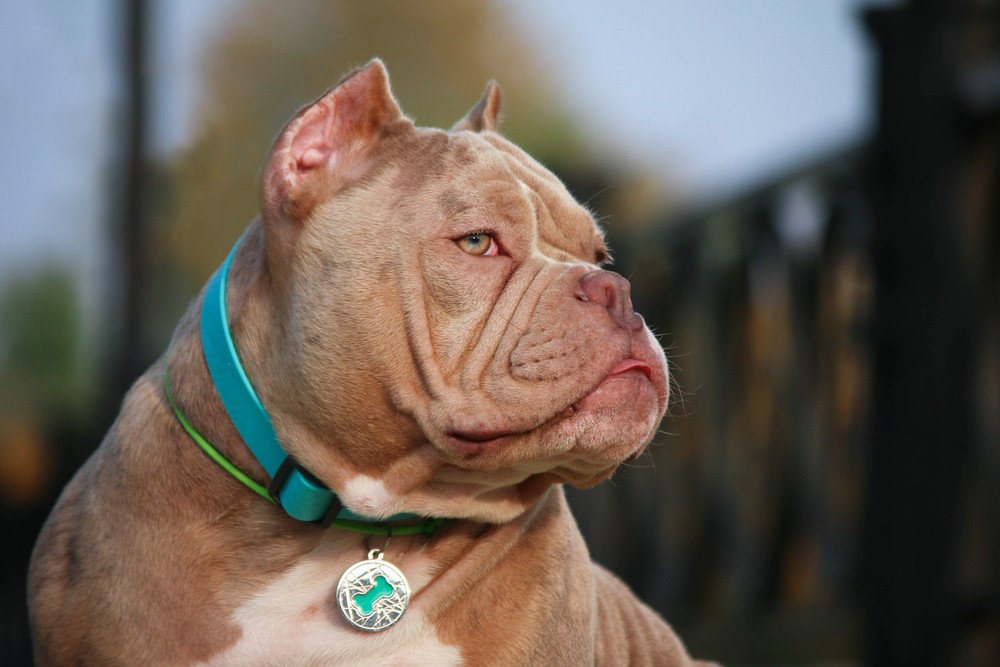
The American Bully is a modern dog breed with a carefully shaped history rooted in temperament, structure, and companionship. While often misunderstood due to appearance alone, the breed was intentionally developed to combine strength with stability, confidence with friendliness, and athleticism with family-oriented behavior.
Understanding where the American Bully came from helps clarify what the breed is—and just as importantly, what it is not.
The Origins of the American Bully
The American Bully emerged in the United States during the late 20th century, primarily between the 1980s and 1990s. Breeders sought to create a dog that retained the physical presence of traditional bull-type dogs while prioritizing a stable, people-friendly temperament.
The foundation of the American Bully traces back to:
American Pit Bull Terrier
American Staffordshire Terrier
Select bull-type companion dogs
These breeds contributed athleticism, strength, and loyalty, but breeders focused heavily on reducing reactivity and emphasizing predictable, companion-suitable behavior.
Why the Breed Was Developed
The American Bully was not created for fighting or aggression. Instead, its development centered around three core goals:
Companion temperament
Consistent structure and appearance
Adaptability to family life
Breeders wanted a dog that looked powerful but behaved reliably in social environments, homes, and public settings.
This intention is why temperament plays such a central role in modern American Bully standards.
👉 For a deeper look at behavior traits, see:
American Bully Temperament & Personality Guide
Formal Recognition and Breed Development
As the breed gained popularity, registries began defining standards to promote consistency and ethical breeding.
The American Bully is now recognized by organizations such as:
American Bully Kennel Club (ABKC)
United Kennel Club (UKC)
These registries established guidelines focused on:
Structural balance
Sound movement
Stable temperament
Breed consistency
Recognition helped shift the American Bully from an emerging type into a clearly defined breed with documented standards.
Size Classes Within the Breed
Unlike many breeds, the American Bully includes multiple size classes, allowing owners to choose a dog that fits their lifestyle while maintaining breed identity.
Common size categories include:
Pocket
Standard
Classic
XL
Some breeders also reference Micro Bullies, though this size is not formally recognized by all registries.
👉 Learn more here:
American Bully Size Classes Explained
Temperament as a Defining Feature
One of the most significant distinctions between the American Bully and other bull-type dogs is temperament.
The breed is known for being:
People-oriented
Loyal and affectionate
Confident without unnecessary aggression
Emotionally stable when properly bred and raised
This focus on temperament is a direct result of the breed’s intentional development.
👉 Related reading:
Ethical American Bully Breeding Practices
Misconceptions About the Breed’s History
Because of physical similarities to other bull-type breeds, the American Bully is often incorrectly associated with aggression or working roles it was never designed for.
In reality:
The breed was developed after many working bull-type dogs
It was shaped for companionship, not combat
Ethical breeding emphasizes behavior over extremes
Education plays a critical role in correcting these misconceptions.
👉 Start with:
What Is an American Bully? (Complete Overview)
The American Bully Today
Today, the American Bully is found in homes around the world as:
Family companions
Emotional support dogs
Show dogs
Active lifestyle partners
The breed continues to evolve through responsible breeding, education, and clearer standards.
Why Breed History Matters
Understanding where the American Bully came from helps owners:
Set realistic expectations
Choose responsible breeders
Advocate for the breed accurately
Support ethical breeding practices
History provides context—and context leads to better ownership decisions.
Final Thoughts
The American Bully is a modern breed shaped by intention, not accident. Its origins reflect a deliberate effort to balance physical presence with emotional stability and companionship.
By learning where the American Bully came from, owners and enthusiasts can better appreciate what the breed represents today—and help guide its future responsibly.

Looking for an American Bully Puppy?
The American Bully Puppy Resource Center is designed to help you prepare for life with your new puppy. When you’re ready to begin your search, Bully Puppy Market connects buyers with American Bully puppies from verified breeders across the United States.
Browse available puppies by Bully type, location, sex, and price, compare breeder profiles, and find the right puppy for your family.
→ Find American Bully Puppies on Bully Puppy Market
📘 Continue Learning About the American Bully Breed
Explore trusted, in-depth guides covering temperament, training, care, and responsible ownership of the American Bully:
🔴 American Bully Breed (ABB)
→ What Is an American Bully?
→ American Bully Temperament & Personality
→ American Bully Training Fundamentals
→ Socializing Your American Bully Puppy
→ Preparing for an American Bully in Your Home
→ American Bully Health & Care Guide
→ Ethical American Bully Breeding Practices
🟦 The American Bully Breed (TABB)
For expanded breed education, standards, and long-form guides:
→ The History of the American Bully
→ American Bully Breed Standards & Structure
→ Grooming Essentials for American Bullies
→ Seasonal Care for American Bullies (Winter & Summer)
🟩 The Complete Dog Guide (TCDG)
For broader dog ownership principles that apply across all breeds:
→ Understanding Responsible Dog Breeding
→ Choosing the Right Dog for Your Lifestyle
→ Exercise Needs by Dog Size and Breed Type
→ Puppy Preparation Checklist for First-Time Owners