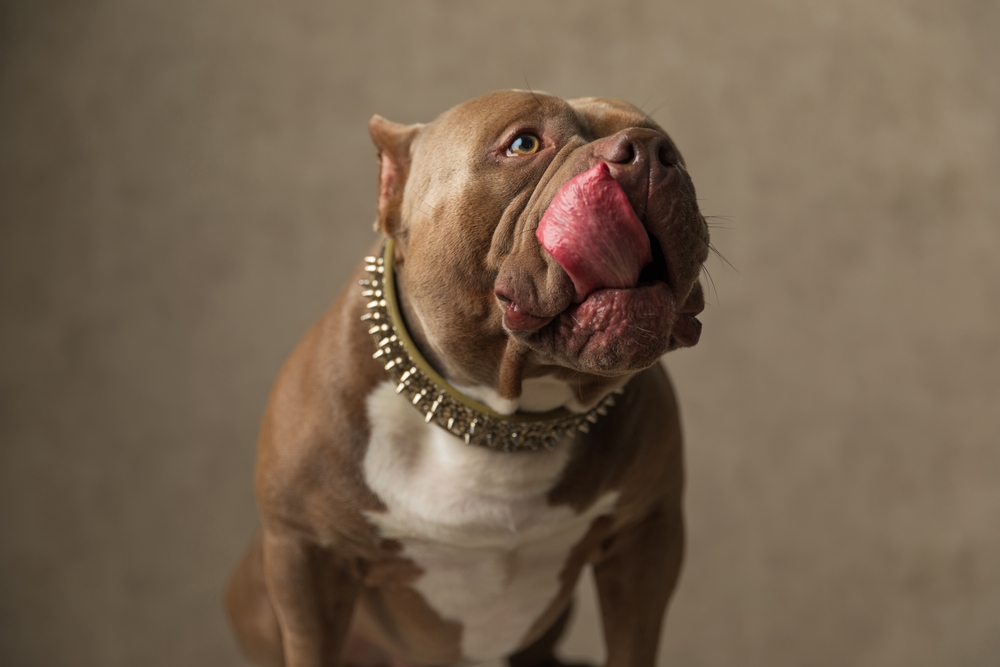
The American Bully is a modern breed with deep roots in classic bulldog and terrier ancestry. While often misunderstood, the breed was intentionally developed to create a stable, family-oriented companion with a powerful yet balanced appearance.
Understanding the history of the American Bully breed helps explain why today’s Bullies look and behave differently from older bully-type dogs.
👉 For a complete foundational overview, see:
What Is an American Bully?
https://www.americanbullybreed.com/what-is-an-american-bully
Early Ancestry and Foundation Breeds
The American Bully traces its roots to the American Pit Bull Terrier, but breeders sought to refine the dog for a different purpose. To do this, they selectively incorporated:
American Bulldog
English Bulldog
Olde English Bulldogge
The goal was not performance or work — but companionship, confidence, and structure.
Breed Development in the 1990s
During the 1990s, breeders across the United States began focusing on:
Broader chests
Thicker bone
Blockier heads
Reduced prey drive
This marked the transition from athletic working dogs to people-focused companion dogs.
As structure evolved, height variation became more common, leading to distinct size categories.
👉 Learn more here:
American Bully Size Classes Explained
https://www.americanbullybreed.com/american-bully-size-classes-explained
Temperament Becomes a Priority
As the breed matured, temperament became just as important as appearance. Responsible breeders emphasized:
Calm confidence
Predictable behavior
Family compatibility
This focus on personality is why the American Bully is now widely regarded as a family-friendly breed.
👉 Full breakdown:
American Bully Temperament & Personality Guide
https://www.americanbullybreed.com/american-bully-temperament-and-personality
Health, Ethics, and Modern Standards
With popularity came responsibility. Ethical breeders began prioritizing:
Health testing
Structural soundness
Long-term wellness
These principles ensure the breed remains healthy and respected.
👉 Learn more:
American Bully Health & Care Guide
https://www.americanbullybreed.com/american-bully-health-and-care-guide
👉 And:
Ethical American Bully Breeding Practices
https://www.americanbullybreed.com/ethical-american-bully-breeding-practices
The American Bully Today
Today’s American Bully is the result of decades of intentional development. When responsibly bred, the breed represents:
Strength without instability
Power without aggression
Loyalty without excess drive
Educational examples from reputable American Bully breeders such as
https://www.capcitybullys.com
help demonstrate how ethical standards are applied in real programs.
Conclusion
The American Bully did not evolve by accident. Its history reflects a shift toward companionship, stability, and responsible ownership — values that continue to guide the breed’s future.

Looking for an American Bully Puppy?
The American Bully Puppy Resource Center is designed to help you prepare for life with your new puppy. When you’re ready to begin your search, Bully Puppy Market connects buyers with American Bully puppies from verified breeders across the United States.
Browse available puppies by Bully type, location, sex, and price, compare breeder profiles, and find the right puppy for your family.
→ Find American Bully Puppies on Bully Puppy Market
📘 Continue Learning About the American Bully Breed
Explore trusted, in-depth guides covering temperament, training, care, and responsible ownership of the American Bully:
🔴 American Bully Breed (ABB)
→ What Is an American Bully?
→ American Bully Temperament & Personality
→ American Bully Training Fundamentals
→ Socializing Your American Bully Puppy
→ Preparing for an American Bully in Your Home
→ American Bully Health & Care Guide
→ Ethical American Bully Breeding Practices
🟦 The American Bully Breed (TABB)
For expanded breed education, standards, and long-form guides:
→ The History of the American Bully
→ American Bully Breed Standards & Structure
→ Grooming Essentials for American Bullies
→ Seasonal Care for American Bullies (Winter & Summer)
🟩 The Complete Dog Guide (TCDG)
For broader dog ownership principles that apply across all breeds:
→ Understanding Responsible Dog Breeding
→ Choosing the Right Dog for Your Lifestyle
→ Exercise Needs by Dog Size and Breed Type
→ Puppy Preparation Checklist for First-Time Owners