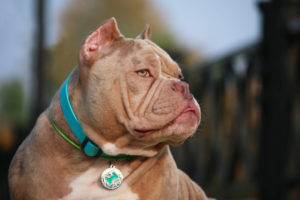
The American Bully and the American Pit Bull Terrier are often confused with one another. While they share historical roots and certain physical similarities, they are distinct breeds with different purposes, structures, and standards.
Understanding these differences is essential for responsible ownership, accurate education, and fair representation of both breeds.
This guide explains how American Bullies and Pit Bulls differ in origin, structure, temperament, and modern role—without myths or assumptions.
For readers new to the breed, begin with:
👉 What Is an American Bully?
Shared Origins, Different Directions
Both breeds trace ancestry back to bull-and-terrier–type dogs developed in the 19th century. However, their modern paths diverged significantly.
American Pit Bull Terrier
- Developed primarily for athletic performance and working ability
- Maintained lean, agile structure
- Emphasis on drive, endurance, and function
American Bully
- Developed in the late 20th century as a companion-focused breed
- Bred for stability, structure, and people-oriented temperament
- Emphasis on balance, presence, and predictability
While they share lineage, they are not interchangeable breeds.
To understand how breeding intent shapes behavior, see:
👉 Ethical American Bully Breeding Practices
Structural Differences
One of the clearest distinctions lies in physical build.
American Bully Structure
- Broader chest
- Shorter, more compact frame
- Heavier bone density
- Distinct head structure with pronounced muscle
Pit Bull Structure
- Leaner, more athletic build
- Longer legs and lighter bone
- Narrower chest
- Emphasis on agility and stamina
American Bullies are bred for presence and balance, not endurance-based performance.
For how structure influences daily care, visit:
👉 American Bully Health & Care Guide
Temperament and Behavioral Tendencies
Temperament is shaped by both genetics and environment, but breeding focus matters.
American Bully Temperament
- People-focused
- Emotionally stable
- Calm confidence
- Predictable responses when properly raised
Pit Bull Temperament
- High drive
- Energetic and intense engagement
- Strong working instincts
- Requires experienced handling and structured outlets
American Bullies are intentionally bred to thrive in family and companion environments.
For deeper insight, see:
👉 American Bully Temperament & Personality
Role and Lifestyle Compatibility
Choosing between breeds requires honest lifestyle alignment. While both dogs can thrive in the right environments, they are suited to different roles and expectations.
American Bully Is Often Better For:
- Families seeking a stable, people-focused companion
- Owners prioritizing temperament balance and predictability
- Urban or suburban living with clear structure and boundaries
- Homes with consistent routines and controlled activity
- Owners who value calm presence over constant intensity
American Bullies are typically best suited to environments where emotional stability and companionship are the primary goals. Their development emphasizes neutrality, adaptability, and strong family bonds rather than sustained working drive.
Pit Bull Is Often Better For:
- Highly active owners with structured physical outlets
- Individuals experienced with high-drive, energetic dogs
- Homes that can provide daily engagement and exercise
- Owners comfortable managing intensity and stamina
- Environments where mental and physical work are part of daily life
Pit Bulls tend to excel when given purposeful tasks and consistent outlets for energy. Without sufficient engagement, their drive can lead to frustration or behavioral challenges.
Why Lifestyle Matching Matters
When a dog’s natural tendencies align with its environment, the result is:
- Lower stress levels
- Reduced behavioral issues
- Stronger human–dog relationships
- Greater long-term success in ownership
Mismatches, however, often lead to:
- Unmet needs
- Overcorrection or frustration
- Misinterpretation of behavior
- Avoidable rehoming situations
Understanding a breed’s intended role helps owners set realistic expectations and create environments where dogs can thrive.
For guidance on evaluating readiness before bringing a dog home, review:
👉 Preparing for an American Bully in Your Home
Legal Classification and Public Perception
Another major difference between the American Bully and the American Pit Bull Terrier lies in how they are legally classified and publicly perceived.
Breed Recognition
- American Bully
- Recognized by registries such as the American Bully Kennel Club (ABKC)
- Clearly defined breed standards
- Classified as a distinct breed, not a type
- American Pit Bull Terrier
- Recognized by organizations such as the United Kennel Club (UKC)
- Often misidentified due to broad use of the term “pit bull”
- Frequently grouped into generalized “bully breed” categories in legislation
Because the American Bully is a newer breed with a defined companion focus, it is often misclassified as a Pit Bull despite clear genetic and structural differences.
To understand how ethical breeding protects breed clarity, read:
👉 Ethical American Bully Breeding Practices
Breed-Specific Training Considerations
Both breeds are intelligent and capable learners, but their training needs differ due to temperament and drive.
Training an American Bully
- Responds best to structured, calm, positive reinforcement
- Benefits from predictable routines
- Excels with clarity rather than intensity
- Thrives when emotional balance is reinforced early
Training a Pit Bull
- Requires higher outlets for drive
- Benefits from physically and mentally demanding work
- Needs experienced handling and consistency
- May require more structured impulse control work
American Bullies are bred to be trainable companions, not working athletes.
For foundational guidance, see:
👉 American Bully Training Fundamentals
Socialization Needs
Socialization is essential for both breeds, but again, intent matters.
American Bully Socialization
- Focuses on neutral exposure, not forced friendliness
- Reinforces calm confidence around people and dogs
- Supports emotional stability rather than overexcitement
Pit Bull Socialization
- Often requires more deliberate management due to intensity
- Needs structured outlets to prevent frustration
- Benefits from controlled exposure rather than free-for-all environments
Early planning is critical for both, but especially for American Bullies whose appearance can influence how others react.
For a structured approach, see:
👉 Socializing Your American Bully Puppy
Exercise and Energy Requirements
The breeds also differ in how they expend energy.
American Bully
- Moderate, consistent exercise
- Short walks, structured play, mental engagement
- Over-exercising can stress joints if structure is immature
Pit Bull
- Higher endurance needs
- Requires vigorous physical activity
- Benefits from tasks that channel drive productively
Understanding these differences prevents mismatched expectations and supports long-term wellbeing.
For care planning, visit:
👉 American Bully Health & Care Guide
Why the Distinction Matters
Mislabeling American Bullies as Pit Bulls harms both breeds.
It spreads misinformation
Leads to inappropriate care decisions
Contributes to unfair breed stigma
Undermines responsible breeding efforts
Education—not assumption—is the solution.
Understanding the distinction allows owners to:
- Choose the right breed for their lifestyle, rather than relying on appearance alone
- Provide appropriate training and structure aligned with the dog’s temperament
- Set realistic expectations for energy level, behavior, and household integration
- Support ethical breeding practices by recognizing intentional breed development
- Advocate responsibly for their dog when faced with public misunderstanding
When breeds are accurately identified, dogs receive better care, better training, and better outcomes. Owners are empowered to make informed decisions, and breeders are held to standards that prioritize temperament, structure, and long-term wellbeing.
Clear distinctions protect dogs, owners, and the integrity of each breed.
For a deeper look at how responsible breeding shapes temperament and stability, see:
👉 Ethical American Bully Breeding Practices
Choosing the Right Breed for Your Situation
Neither the American Bully nor the American Pit Bull Terrier is inherently “better.” The right choice depends on environment, expectations, experience level, and lifestyle alignment.
An American Bully May Be the Right Fit If You:
- Want a people-focused companion
- Prefer predictable temperament over intensity
- Value structure, calm routines, and stability
- Are seeking a family-oriented dog with presence
- Want a breed intentionally developed for companionship
A Pit Bull May Be the Right Fit If You:
- Have experience managing high-drive dogs
- Enjoy structured physical activity and engagement
- Can provide consistent outlets for energy
- Are prepared for stronger public scrutiny and regulation
- Understand working-line behavioral needs
Choosing responsibly protects both the dog and the household.
For guidance on aligning expectations before ownership, see:
👉 Preparing for an American Bully in Your Home
Responsible Ownership Starts With Education
One of the most important responsibilities owners have is understanding what their dog was bred to be.
American Bullies are not Pit Bulls with different names. They are a distinct breed with defined goals:
- Stability
- Structure
- Predictable temperament
- Companion suitability
Responsible ownership includes:
- Selecting breeders who prioritize temperament and health
- Understanding breed-specific needs
- Advocating with education rather than defensiveness
- Managing environments calmly and consistently
For deeper insight into ethical standards, visit:
👉 Ethical American Bully Breeding Practices
Addressing Myths and Misconceptions
Public confusion between breeds often leads to:
- Inaccurate media portrayals
- Housing or insurance challenges
- Misinformed public reactions
- Misaligned training approaches
Education helps correct these narratives.
Owners who understand and communicate breed differences help:
- Reduce stigma
- Promote fair treatment
- Support responsible breeding
- Improve outcomes for all dogs
For clarity on behavior and perception, explore:
👉 American Bully Temperament & Personality

Looking for an American Bully Puppy?
The American Bully Puppy Resource Center is designed to help you prepare for life with your new puppy. When you’re ready to begin your search, Bully Puppy Market connects buyers with American Bully puppies from verified breeders across the United States.
Browse available puppies by Bully type, location, sex, and price, compare breeder profiles, and find the right puppy for your family.
→ Find American Bully Puppies on Bully Puppy Market
Final Thoughts
The American Bully and the American Pit Bull Terrier share historical roots, but they are not the same breed, nor were they created for the same purpose.
Understanding the differences allows:
- Better care decisions
- More accurate representation
- Safer, more stable ownership experiences
When education leads the way, both breeds are better understood—and better protected.
📘 Continue Exploring the American Bully Breed
→ What Is an American Bully?
→ American Bully Temperament & Personality
→ Preparing for an American Bully in Your Home
→ American Bully Training Fundamentals
→ American Bully Health & Care Guide
→ Ethical American Bully Breeding Practices