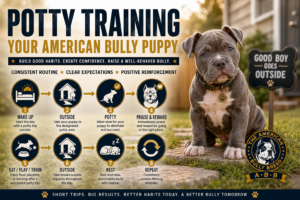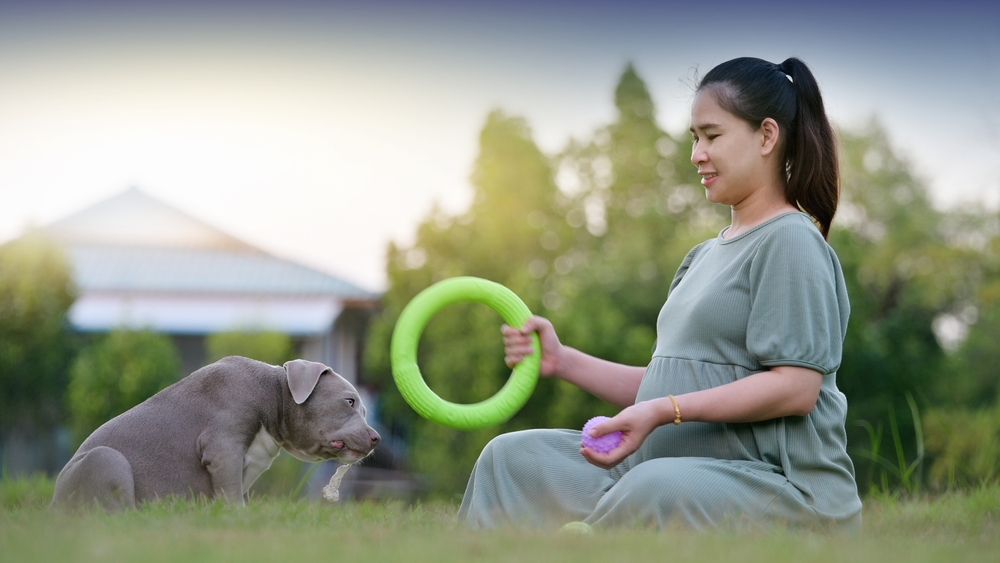
Training plays a critical role in raising a confident, well-balanced American Bully. While the breed is naturally loyal and people-focused, proper training helps shape behavior, strengthen trust, and create a lifelong bond between dog and owner.
These American Bully training tips focus on structure, consistency, and positive reinforcement—the methods that work best for this companion-driven breed.
Understanding the American Bully Mindset
Before training begins, it’s important to understand how American Bullies think and learn.
The American Bully was developed as a companion breed, not a working or high-drive performance dog. This means they tend to be:
Highly people-oriented
Motivated by praise and attention
Responsive to calm leadership
Sensitive to inconsistency
For a foundational overview of the breed, see:
👉 https://www.americanbullybreed.com/what-is-an-american-bully
Start Training Early
Training should begin as soon as a puppy comes home. Early lessons build confidence and prevent unwanted habits from forming.
Early Training Focus
Name recognition
Basic commands (sit, stay, come)
Leash introduction
Calm handling
Early training also supports proper social development.
If you’re still choosing a puppy, this guide may help:
👉 https://www.americanbullybreed.com/choosing-the-right-american-bully-puppy-factors-to-consider
Use Positive Reinforcement
American Bullies respond best to positive reinforcement, which includes:
Treats
Praise
Play
Calm encouragement
Harsh corrections or punishment can damage trust and slow learning. A confident, consistent approach produces far better results.
Positive reinforcement strengthens the bond between owner and dog, which aligns perfectly with the breed’s temperament.
Learn more about temperament here:
👉 https://www.americanbullybreed.com/american-bully-temperament-and-personality
Consistency Is Key
Consistency is one of the most important training principles. Dogs thrive when rules are clear and predictable.
Tips for consistency:
Use the same commands every time
Ensure all family members follow the same rules
Maintain regular training routines
Inconsistent expectations often lead to confusion and unwanted behavior.
Socialization Builds Confidence
Proper socialization helps American Bullies become calm and confident in new environments.
Socialization Should Include
Exposure to different people
Calm introductions to other dogs
New environments and sounds
Positive experiences outside the home
Socialization should always be gradual and controlled.
For more on community and social development, see:
👉 https://www.americanbullybreed.com/the-social-side-of-american-bully-ownership-finding-community-and-support
Training Across Different Size Classes
Training principles remain the same regardless of size, whether you own a Micro, Pocket, Standard, or XL American Bully.
However, size can influence:
Leash handling
Physical control
Exercise balance
Understanding size differences helps tailor training safely.
👉 Learn more about size classes here:
https://www.americanbullybreed.com/american-bully-size-classes-explained
Mental Stimulation Matters
Training isn’t just physical—it’s mental. American Bullies benefit from activities that challenge their minds.
Examples include:
Puzzle toys
Short training sessions
Learning new commands
Structured play
Mental stimulation reduces boredom and unwanted behaviors.
Training Supports Health & Wellness
Training supports overall health by:
Encouraging controlled exercise
Reducing anxiety
Supporting weight management
Improving confidence
A well-trained Bully is often a healthier, happier dog.
For a full wellness overview, visit:
👉 https://www.americanbullybreed.com/american-bully-health-and-care-guide
The Role of Responsible Breeding in Trainability
Trainability often starts with genetics. Ethical breeders prioritize stable temperament and predictable behavior.
Understanding responsible breeding practices helps owners know what to expect from their dogs.
👉 Learn more here:
https://www.americanbullybreed.com/ethical-american-bully-breeding-practices
Educational examples of reputable American Bully breeders such as
👉 https://www.capcitybullys.com
help demonstrate how temperament and structure are developed responsibly.
Common Training Mistakes to Avoid
Avoid these common pitfalls:
Skipping early training
Inconsistent rules
Overtraining young puppies
Using punishment instead of guidance
Patience and structure always outperform force.
Final Thoughts
Training an American Bully is about building trust, confidence, and communication. With positive reinforcement, consistency, and early socialization, American Bullies grow into well-mannered, loyal companions.
By understanding the breed’s temperament and needs, owners can create a strong foundation that lasts a lifetime.
💬
“Understanding the breed is the first step—finding the right breeder is the next. See examples of well-bred American Bullies raised with a focus on health, structure, and temperament.”
Explore American Bully Puppies
📘 Continue Learning About the American Bully Breed
Explore trusted, in-depth guides covering temperament, training, care, and responsible ownership of the American Bully:
🔴 American Bully Breed (ABB)
→ What Is an American Bully?
→ American Bully Temperament & Personality
→ American Bully Training Fundamentals
→ Socializing Your American Bully Puppy
→ Preparing for an American Bully in Your Home
→ American Bully Health & Care Guide
→ Ethical American Bully Breeding Practices
🟦 The American Bully Breed (TABB)
For expanded breed education, standards, and long-form guides:
→ The History of the American Bully
→ American Bully Breed Standards & Structure
→ Grooming Essentials for American Bullies
→ Seasonal Care for American Bullies (Winter & Summer)
🟩 The Complete Dog Guide (TCDG)
For broader dog ownership principles that apply across all breeds:
→ Understanding Responsible Dog Breeding
→ Choosing the Right Dog for Your Lifestyle
→ Exercise Needs by Dog Size and Breed Type
→ Puppy Preparation Checklist for First-Time Owners